
India Independence Day 2026: Themes of the Last 10 Years
A Comprehensive Journey Through India's Evolving National Vision from 2016 to 2026
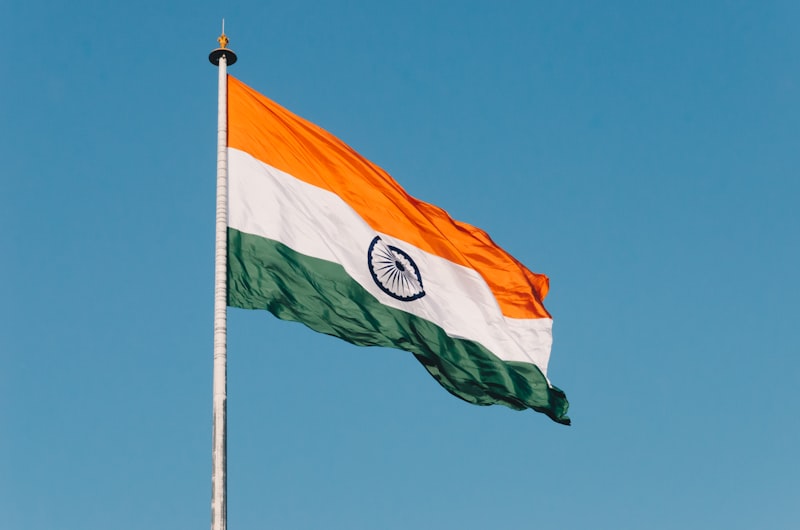
India's Independence Day, celebrated annually on August 15th, is not merely a commemoration of freedom from British colonial rule in 1947. It is a living testament to the nation's evolving identity, aspirations, and collective resolve. Each year, the Government of India selects a theme that encapsulates the prevailing national mood, policy priorities, and the dreams of 1.4 billion Indians. As we approach the 80th Independence Day in 2026, it is both illuminating and inspiring to look back at the themes of the past decade and understand how they have shaped India's trajectory.
The themes chosen for Independence Day celebrations serve as more than ceremonial slogans. They are philosophical anchors that guide policy discourse, citizen engagement, and national unity. From remembering the sacrifices of freedom fighters to envisioning a developed India by 2047, these themes reflect the continuum of India's journey from a newly independent nation to a global powerhouse.
The Significance of Independence Day Themes
Before delving into the specific themes of the last decade, it is essential to understand why these themes matter. Independence Day themes are carefully curated messages that:
- Honor the Past: They remind citizens of the immense sacrifices made by freedom fighters like Mahatma Gandhi, Bhagat Singh, Subhas Chandra Bose, Rani Lakshmibai, and countless others who laid down their lives for the nation's freedom.
- Reflect the Present: Themes address contemporary challenges and achievements, whether economic self-reliance, digital transformation, or social inclusion.
- Shape the Future: They provide a roadmap for national development, inspiring citizens to contribute toward shared goals like becoming a developed nation by 2047.
The Prime Minister's address from the ramparts of the Red Fort in Delhi, delivered after the ceremonial flag hoisting, elaborates on these themes, connecting historical legacy with future aspirations. This speech is not just a political address but a national vision document that millions of Indians await with anticipation.
Did You Know? The tradition of the Prime Minister hoisting the national flag at the Red Fort began on August 15, 1947, when Jawaharlal Nehru unfurled the Tiranga and delivered his historic "Tryst with Destiny" speech. This tradition has continued uninterrupted for nearly eight decades, making it one of the most enduring symbols of Indian democracy.
Complete Table: Independence Day Themes (2016-2026)
The following comprehensive table presents the themes, key highlights, and significance of India's Independence Day celebrations over the last decade:
| Year | Independence Day | Theme | Key Focus Areas | Significance |
|---|---|---|---|---|
| 2016 | 70th | "Yaad Karo Kurbani" (Remember the Sacrifices) |
Honoring freedom fighters, educating youth about sacrifices, visiting historic sites | Marked 70 years of independence with emphasis on remembrance and gratitude toward martyrs |
| 2017 | 71st | "Yeh India Ka Time Hai" (This is India's Time) |
Celebrating 75 years of Quit India Movement, youth empowerment, national pride | Coincided with 75th anniversary of Quit India Movement; focused on India's rising global stature |
| 2018 | 72nd | "One Country, One People" | Unity in diversity, cultural integration, social harmony, national solidarity | Reinforced that cultural plurality is India's strength, not weakness; promoted inclusive nationalism |
| 2019 | 73rd | "Support Our Troops, Salute Our Troops" | Armed forces appreciation, national security, defense preparedness, soldier welfare | Highlighted the role of armed forces in safeguarding sovereignty; poster design competitions organized |
| 2020 | 74th | "Atmanirbhar Bharat" (Self-Reliant India) |
Economic self-reliance, domestic manufacturing, COVID-19 resilience, local production | Launched during pandemic; emphasized reducing import dependence and boosting domestic capabilities |
| 2021 | 75th | "Nation First, Always First" | Patriotism, national unity, citizen responsibility, Olympic athletes honored | 75th Independence Day; special invites to Tokyo Olympics medalists; "Nation First" as core value |
| 2022 | 76th | "Azadi Ka Amrit Mahotsav" (Elixir of Independence) |
75 years of independence celebration, Har Ghar Tiranga, cultural programs, freedom struggle commemoration | Platinum jubilee of independence; 75-week celebration from March 2021 to August 2023; mass participation |
| 2023 | 77th | "Nation First, Always First" | National unity, democratic values, development progress, citizen participation | Reiteration of 2021 theme; continued focus on placing national interests above individual agendas |
| 2024 | 78th | "Viksit Bharat @ 2047" (Developed India) |
Developed nation vision, digital infrastructure, inclusive growth, 100th year of independence goal | Aligned with government's ambitious goal to transform India into a developed nation by 2047 |
| 2025 | 79th | "Naya Bharat" (New India) |
Bold self-reliant India, progress, unity, security, citizen involvement in nation-building | Reflected aspirations of a modern, forward-looking India; emphasized youth and women empowerment |
| 2026 | 80th | "Yuva Shakti for Viksit Bharat@2047" (Youth Power for Developed India) |
Youth empowerment, innovation, scientific progress, 150 years of Vande Mataram, nation-building | 80th Independence Day; highlights role of youth in achieving developed India vision; special focus on young achievers |
Detailed Analysis of Each Theme
2016: "Yaad Karo Kurbani" — Remembering the Sacrifices
The 70th Independence Day in 2016 was marked by the poignant theme "Yaad Karo Kurbani" (Remember the Sacrifices). This theme was a heartfelt tribute to the countless freedom fighters who laid down their lives for India's independence. The government organized special programs where ministers visited historic sites associated with the freedom struggle, connecting the present generation with the nation's heroic past.
The emphasis on remembrance was particularly significant as India completed seven decades of independence. It served as a reminder that freedom was not gifted but earned through immense sacrifice. Schools and colleges across the country organized essay competitions, debates, and cultural programs centered around the lives of freedom fighters. The theme reinforced the idea that remembering history is essential for building a responsible future.
2017: "Yeh India Ka Time Hai" — India's Moment on the Global Stage
The 71st Independence Day celebrated the theme "Yeh India Ka Time Hai" (This is India's Time), coinciding with the 75th anniversary of the Quit India Movement launched on August 9, 1942. This theme captured the zeitgeist of a nation confidently asserting itself on the world stage. From economic growth to technological advancements, India was positioning itself as a global leader.
The Quit India Movement, also known as the "August Kranti," was one of the most significant mass movements against British rule. By connecting the 2017 theme with this historic movement, the government emphasized continuity between the struggle for freedom and the contemporary pursuit of global leadership. The theme inspired young Indians to believe in their nation's potential and contribute to its rise.
2018: "One Country, One People" — Unity in Diversity
The 72nd Independence Day theme "One Country, One People" was a powerful affirmation of India's pluralistic ethos. In a world increasingly divided along ethnic, religious, and linguistic lines, India chose to celebrate its diversity as its greatest strength. This theme reinforced the constitutional values of fraternity and unity, reminding citizens that despite differences in language, religion, and culture, they are bound by a shared national identity.
The theme was particularly relevant given India's complex social fabric with 22 officially recognized languages, multiple religions, and diverse cultural practices. It served as a counter-narrative to divisive forces, emphasizing that India's unity is not despite its diversity but because of it. Cultural programs during the celebrations showcased traditions from different states, reinforcing the message of "Unity in Diversity."
2019: "Support Our Troops, Salute Our Troops" — Honoring the Guardians
The 73rd Independence Day theme "Support Our Troops, Salute Our Troops" shifted the spotlight to India's armed forces. This theme was a recognition of the sacrifices made by soldiers who protect the nation's borders in challenging conditions. The Bureau of Outreach and Communication organized poster design competitions based on the theme, engaging citizens in expressing gratitude toward the military.
This theme also came at a time when national security was a prominent concern. It served to bridge the gap between civilian life and military service, reminding citizens that the freedom they enjoy is safeguarded by the vigilance and sacrifice of armed forces personnel. The theme fostered a sense of collective responsibility toward those who serve in uniform.
2020: "Atmanirbhar Bharat" — The Call for Self-Reliance
The 74th Independence Day in 2020 will forever be remembered as the year of the COVID-19 pandemic. The theme "Atmanirbhar Bharat" (Self-Reliant India) was both timely and transformative. As global supply chains disrupted and economies shuttered, India looked inward, emphasizing domestic manufacturing, local production, and economic self-sufficiency.
The Atmanirbhar Bharat initiative was not about isolationism but about building capabilities. It covered five pillars: economy, infrastructure, technology-driven systems, vibrant demography, and demand. The theme resonated with Mahatma Gandhi's vision of Swadeshi, adapted for the 21st century. Special economic packages were announced, and states were encouraged to promote local industries. The pandemic, paradoxically, became a catalyst for India's renewed focus on self-reliance.
2021: "Nation First, Always First" — Priority to National Interest
The 75th Independence Day in 2021 was a landmark celebration. The theme "Nation First, Always First" underscored the principle that national interests should supersede individual or sectional agendas. This was the platinum jubilee of independence, and the celebrations were imbued with special significance.
All Tokyo Olympics medalists were extended special invitations to the Red Fort ceremony, symbolizing the connection between national pride in sports and national pride in freedom. The theme was reflected in paintings, floral arrangements, and all aspects of the Independence Day programs. It served as a moral compass, urging citizens to prioritize the nation's collective good in their decisions and actions.
2022: "Azadi Ka Amrit Mahotsav" — Celebrating 75 Years of Freedom
The 76th Independence Day in 2022 was part of the grand "Azadi Ka Amrit Mahotsav" (Elixir of Independence), a 75-week celebration that began on March 12, 2021, and continued until August 15, 2023. This was not merely a theme but a comprehensive national movement to commemorate 75 years of independence.
The Mahotsav was built around five pillars: Freedom Struggle, Ideas@75, Resolve@75, Actions@75, and Achievements@75. The "Har Ghar Tiranga" campaign encouraged every Indian to hoist the national flag at home, transforming patriotism from a public ceremony into a personal commitment. The campaign saw unprecedented participation, with millions of Indians changing their social media profile pictures to the national flag.
The 2022 celebrations were unique because they connected the past, present, and future. While honoring freedom fighters, they also focused on India's achievements in science, technology, and governance, while resolving to build a better future. The Prime Minister's vision of "Panch Pran" (Five Resolves) was introduced, urging citizens to work toward a developed India.
2023: "Nation First, Always First" — Reiteration of National Unity
The 77th Independence Day in 2023 retained the theme "Nation First, Always First" from 2021, reinforcing its enduring relevance. In a world facing geopolitical tensions, economic uncertainties, and climate challenges, the theme served as a reminder that national unity is the foundation for overcoming any obstacle.
The 2023 celebrations were held in conjunction with the concluding phase of Azadi Ka Amrit Mahotsav. The theme emphasized that the progress made over 76 years of independence must be protected and advanced through collective national effort. Programs under this theme focused on citizen participation in governance, social harmony, and economic development.
2024: "Viksit Bharat @ 2047" — The Vision of a Developed India
The 78th Independence Day in 2024 introduced the ambitious theme "Viksit Bharat @ 2047" (Developed India). This theme articulated the government's vision of transforming India into a developed nation by the year 2047, which will mark the 100th anniversary of independence. It was a forward-looking theme that connected present actions with future outcomes.
The theme encompassed multiple dimensions of development: economic prosperity, social inclusion, environmental sustainability, and technological leadership. Around 6,000 special guests from diverse backgrounds, including farmers, tribal artisans, ASHA workers, and Paris Olympics participants, were invited to the Red Fort, symbolizing the inclusive nature of the developed India vision.
The "Ek Ped Maa Ke Naam" (A Tree in Mother's Name) campaign was launched alongside the celebrations, linking patriotism with environmental stewardship. The theme signaled that India's development must be holistic, benefiting every section of society while preserving the planet for future generations.
2025: "Naya Bharat" — The New India
The 79th Independence Day in 2025 embraced the theme "Naya Bharat" (New India), representing a bold, self-reliant, and confident nation. This theme captured the aspirations of a country that has emerged as the world's fifth-largest economy and is rapidly advancing in technology, space exploration, and defense.
The celebrations highlighted Operation Sindoor, honoring the bravery of armed forces personnel. Special guests included grassroots workers, women achievers, youth icons, and farmers, reflecting the government's emphasis on inclusive development. The Har Ghar Tiranga campaign entered its fourth year, with the national flag becoming a ubiquitous symbol of pride from Kashmir to Kanyakumari.
The theme "Naya Bharat" was not about rejecting the old but about building upon the foundations laid by previous generations. It represented an India that respects its traditions while embracing modernity, an India that is confident in its civilizational values while contributing to global progress.
2026: "Yuva Shakti for Viksit Bharat@2047" — Youth Power for Developed India
The upcoming 80th Independence Day in 2026 carries the theme "Yuva Shakti for Viksit Bharat@2047" (Youth Power for Developed India). This theme places India's young population at the center of the nation's development journey. With a median age of 28 years, India has one of the youngest populations in the world, and this theme recognizes that the youth are not just the future but the driving force of the present.
The 2026 celebrations will also commemorate 150 years of Vande Mataram, the national song that has inspired generations of freedom fighters and patriots. More than 5,000 special guests, including young achievers, Olympiad medalists, and frontline workers, are expected to participate, highlighting the government's focus on recognizing and inspiring youth contribution.
The theme connects the energy and innovation of young Indians with the concrete goal of achieving developed nation status by 2047. It emphasizes areas like scientific progress, innovation, entrepreneurship, and nation-building as domains where youth leadership is essential.
The Evolution of Themes: From Remembrance to Aspiration
Looking at the themes from 2016 to 2026, a clear evolutionary trajectory emerges. The early years of the decade focused on remembrance and unity — honoring sacrifices, celebrating diversity, and strengthening national cohesion. The middle years shifted toward self-reliance and resilience, particularly in response to the COVID-19 pandemic and global economic uncertainties.
The latter half of the decade has been characterized by aspiration and vision. Themes like "Viksit Bharat @ 2047," "Naya Bharat," and "Yuva Shakti for Viksit Bharat@2047" are not just about celebrating what India is but about articulating what India aims to become. This shift reflects a nation that has moved from the confidence of survival to the confidence of ambition.
Three recurring motifs can be identified across the decade:
- Self-Reliance: From "Atmanirbhar Bharat" to "Naya Bharat," the emphasis on building domestic capabilities has been a consistent thread.
- National Unity: Themes like "One Country, One People" and "Nation First, Always First" have repeatedly underscored the importance of unity in diversity.
- Youth Empowerment: The 2026 theme explicitly focuses on youth, but even earlier themes like "Yeh India Ka Time Hai" recognized the role of young Indians in shaping the nation's destiny.
How Independence Day Themes Shape National Discourse
The themes of Independence Day are not mere ceremonial formalities. They actively shape national discourse in several ways:
Policy Alignment: Government schemes and initiatives are often aligned with the Independence Day theme. For instance, the Atmanirbhar Bharat theme in 2020 led to a series of economic packages and policy reforms aimed at boosting domestic manufacturing. Similarly, the Viksit Bharat @ 2047 vision has influenced long-term planning across ministries.
Citizen Engagement: Themes like "Har Ghar Tiranga" under Azadi Ka Amrit Mahotsav transformed Independence Day from a government-led ceremony into a people's movement. When millions of citizens hoist the national flag at their homes, patriotism becomes a lived experience rather than a passive observation.
Educational Impact: Schools and colleges organize programs around the annual theme, ensuring that young minds engage with national priorities. Essay competitions, debates, and cultural programs centered on themes like "Nation First" or "Yuva Shakti" instill values of citizenship and responsibility.
Global Messaging: The Prime Minister's Independence Day address is watched not just in India but by the Indian diaspora and international observers. Themes like "Viksit Bharat @ 2047" send a clear message to the world about India's ambitions and trajectory.
Internal Links from Barristery.in
Historical Context: How Independence Day Themes Are Chosen
The process of selecting an Independence Day theme is a carefully considered exercise that involves multiple stakeholders within the government. The Ministry of Defence, Ministry of Culture, and the Prime Minister's Office collaborate to identify a theme that resonates with the nation's current priorities while honoring its historical legacy. The theme is typically announced weeks before August 15th, allowing sufficient time for preparations across the country.
The selection process takes into account several factors: the geopolitical situation, economic priorities, social challenges, and significant anniversaries. For instance, the 2022 theme "Azadi Ka Amrit Mahotsav" was planned years in advance because it marked the 75th anniversary of independence. Similarly, the 2026 theme "Yuva Shakti for Viksit Bharat@2047" was chosen to align with the long-term vision of India's centenary of independence.
The themes also reflect the government's policy priorities. When "Atmanirbhar Bharat" was chosen in 2020, it was not just a ceremonial slogan but the centerpiece of an economic strategy that included production-linked incentive (PLI) schemes, defense manufacturing reforms, and agricultural policy changes. The Independence Day theme thus serves as an annual reaffirmation of the nation's strategic direction.
Regional Celebrations and Theme Adaptation
While the Prime Minister's address at the Red Fort is the centerpiece of Independence Day celebrations, the themes are adapted and celebrated differently across India's diverse states and union territories. Each state government organizes its own ceremonies, often adding regional flavor to the national theme.
For example, during the "Azadi Ka Amrit Mahotsav" celebrations in 2022, states like Gujarat organized special events at the Sabarmati Ashram, connecting the national theme with local historical significance. In West Bengal, the celebrations emphasized the state's rich revolutionary heritage, with special programs honoring figures like Netaji Subhas Chandra Bose. The "Har Ghar Tiranga" campaign saw particularly enthusiastic participation in northeastern states, where the national flag became a symbol of integration and belonging.
The adaptation of themes at the local level ensures that national priorities are communicated in culturally relevant ways. When the theme was "One Country, One People" in 2018, Kerala emphasized religious harmony, while Punjab focused on linguistic diversity, and Tamil Nadu highlighted Dravidian cultural contributions to the national fabric. This decentralized celebration of themes reinforces the federal structure while maintaining national unity.
The Role of Digital Media in Amplifying Themes
In recent years, digital media has played an increasingly important role in amplifying Independence Day themes. The "Har Ghar Tiranga" campaign of 2022 became a social media phenomenon, with millions of Indians sharing selfies with the national flag on platforms like Twitter, Facebook, and Instagram. The MyGov portal and other government digital platforms have created dedicated spaces for citizens to engage with the annual theme.
The Prime Minister's Independence Day speech is now live-streamed across multiple platforms, reaching not just Indians within the country but the vast diaspora spread across the globe. In 2024, the "Viksit Bharat @ 2047" theme was accompanied by online competitions, digital exhibitions, and virtual tours of freedom struggle sites, making the theme accessible to those who could not participate in physical celebrations.
Digital engagement has also allowed for real-time feedback and participation. During the "Nation First, Always First" theme years, citizens were encouraged to share their stories of contributing to national development, creating a crowdsourced narrative of patriotism. This digital dimension has transformed Independence Day from a one-way broadcast of the Prime Minister's vision into a multi-directional conversation about national priorities.
Comparative Analysis: India and Other Nations
India's approach to Independence Day themes offers an interesting comparison with other nations. While countries like the United States celebrate Independence Day (July 4th) with a focus on historical commemoration and fireworks, India's thematic approach adds a layer of contemporary relevance. The annual theme ensures that Independence Day is not just a historical observance but a living dialogue about the nation's present and future.
Unlike Republic Day (January 26th), which follows a more structured ceremonial format with the parade on Kartavya Path, Independence Day allows for more thematic flexibility. The Prime Minister's speech provides an opportunity to articulate a vision that goes beyond ceremonial protocol. This flexibility has been used effectively to introduce new policy initiatives, announce major schemes, and set national agendas.
The thematic approach also distinguishes India's Independence Day from other national holidays. While Gandhi Jayanti (October 2nd) is dedicated to the Father of the Nation and Republic Day celebrates the Constitution, Independence Day through its themes has become a platform for articulating evolving national aspirations. It is perhaps the most politically significant of India's national holidays, serving as an annual State of the Nation address from the highest executive office.
Citizen Participation: Making Themes Meaningful
The true measure of an Independence Day theme's success lies in citizen participation. Themes like "Har Ghar Tiranga" succeeded because they invited every citizen to become an active participant rather than a passive observer. When a theme resonates with people's lived experiences and aspirations, it transcends government messaging to become a genuine national movement.
Schools and educational institutions play a crucial role in translating themes into youth engagement. Independence Day celebrations in schools often include essay competitions, debates, poster-making, and cultural programs centered on the annual theme. These activities ensure that the next generation internalizes national priorities from an early age. The 2026 theme "Yuva Shakti for Viksit Bharat@2047" is particularly well-suited for educational engagement, as it directly addresses the role of students and young professionals in nation-building.
Corporate India has also embraced Independence Day themes. Companies organize special events, CSR activities, and employee engagement programs aligned with the annual theme. During "Atmanirbhar Bharat," many companies emphasized indigenous procurement and local supply chains. During "Viksit Bharat @ 2047," corporate sustainability and inclusive growth became focal points. This public-private synergy amplifies the impact of Independence Day themes beyond the government sector.
Challenges and Criticisms
While Independence Day themes have generally been well-received, they have not been without criticism. Some observers argue that themes can become mere slogans without substantive policy follow-through. The gap between the aspirational language of themes and ground-level implementation remains a challenge. For instance, while "Atmanirbhar Bharat" generated significant enthusiasm, achieving true self-reliance in critical sectors like semiconductors and defense equipment requires sustained effort over decades.
There is also the challenge of ensuring that themes are inclusive and represent India's diversity. Critics have pointed out that themes sometimes reflect the political priorities of the ruling party rather than a consensus national vision. Ensuring that Independence Day themes transcend partisan politics and represent the aspirations of all Indians, regardless of political affiliation, remains an ongoing challenge.
Furthermore, the ceremonial aspects of Independence Day sometimes overshadow the substantive messages. The media coverage often focuses on the Prime Minister's attire, the security arrangements, and the fly-past rather than the thematic content of the speech. Balancing ceremonial dignity with substantive communication is a challenge that the organizers continue to grapple with.
Looking Forward: Themes for the Next Decade
As India approaches the 2047 milestone, the themes of the next decade will likely focus on the concrete steps needed to achieve developed nation status. We can anticipate themes centered on:
- Climate Leadership: As India commits to net-zero emissions by 2070, future themes may emphasize sustainable development and green energy.
- Technological Sovereignty: With the rise of artificial intelligence, quantum computing, and biotechnology, themes may focus on building indigenous technological capabilities.
- Social Justice: Addressing inequalities based on caste, gender, and economic status will likely remain a priority in future themes.
- Global Leadership: As India assumes greater responsibility in international forums like the G20, themes may reflect India's role as a Vishwa Guru (world teacher).
The 2026 theme "Yuva Shakti for Viksit Bharat@2047" sets the tone for this next phase. It recognizes that the dreams of 2047 will be realized not by the government alone but by the energy and enterprise of India's youth. The next decade of Independence Day themes will likely continue this emphasis on citizen agency, particularly youth participation, in nation-building.
Conclusion: Themes as Mirrors of a Nation's Soul
The Independence Day themes of the last decade are more than a chronological record; they are a mirror reflecting India's evolving soul. From the somber remembrance of 2016 to the ambitious vision of 2026, these themes capture a nation in transition — from a post-colonial society finding its feet to a confident civilization reclaiming its place on the world stage.
Each theme represents a chapter in India's ongoing story. "Yaad Karo Kurbani" reminded us of the price of freedom. "One Country, One People" celebrated our diversity. "Atmanirbhar Bharat" taught us resilience. "Azadi Ka Amrit Mahotsav" connected generations. "Viksit Bharat @ 2047" gave us a destination. And "Yuva Shakti for Viksit Bharat@2047" entrusted the journey to the youth.
As we hoist the tricolor on August 15, 2026, we will not just be celebrating 79 years of independence. We will be reaffirming a commitment to the ideals that have guided us and the vision that beckons us. The themes of the last decade remind us that independence is not merely about being free from foreign rule; it is about being free to build the nation of our dreams.
May the spirit of these themes inspire every Indian to contribute their best to the nation's progress. May the sacrifices of the past fuel the achievements of the future. And may the tricolor forever fly high, symbolizing a nation that is united, self-reliant, and ever-aspiring.
Jai Hind! Happy Independence Day 2026!
As we celebrate the 80th Independence Day, let us remember that the tricolor represents not just our past sacrifices but our future aspirations. From the Red Fort to every home in India, the spirit of independence lives in every citizen who contributes to the nation's progress. Let us pledge to make the vision of Viksit Bharat @ 2047 a reality, powered by the energy, innovation, and determination of India's youth.
"The best way to find yourself is to lose yourself in the service of others." — Mahatma Gandhi


COMMENTS