
UNESCO World Heritage Sites of India 2026: Complete List of 45 Sites, States & Details
From the Taj Mahal and Ajanta Caves to Kaziranga National Park, the Sundarbans and the newly inscribed Ancient Buddhist Site of Sarnath, explore India's remarkable heritage recognised by UNESCO.
Explore All 45 Sites What's New in 2026?
India is home to one of the world's richest collections of cultural, historical and natural heritage. From ancient Buddhist monasteries and magnificent temples to royal forts, colonial-era buildings, mountain railways, tropical forests and Himalayan landscapes, the country's heritage reflects thousands of years of human history and natural evolution.
Many of these places are recognised internationally through the UNESCO World Heritage List. This recognition identifies properties that have Outstanding Universal Value (OUV)—meaning their cultural or natural importance is considered significant not only for the country where they are located but for humanity as a whole.
As of October 2026, India has 45 UNESCO World Heritage properties. These consist of 37 cultural sites, 7 natural sites and 1 mixed site. The latest addition is the Ancient Buddhist Site of Sarnath in Uttar Pradesh, which was inscribed on 25 July 2026 during the 48th session of the World Heritage Committee in Busan, Republic of Korea.
This detailed guide provides the complete list of all 45 properties, their states, inscription years, historical importance, natural significance and reasons for UNESCO recognition. It also explains the difference between cultural, natural and mixed heritage, the selection process, India's Tentative List and important facts useful for students, competitive examinations and travellers.
India has 45 World Heritage properties: 37 cultural, 7 natural and 1 mixed. The Ancient Buddhist Site of Sarnath became India's 45th property in July 2026. Check India's official UNESCO country page.
- What Is UNESCO?
- What Is a World Heritage Site?
- Types of UNESCO World Heritage Sites
- India's World Heritage Status in 2026
- Complete List of All 45 Sites
- 37 Cultural World Heritage Sites
- 7 Natural World Heritage Sites
- India's One Mixed Heritage Site
- Newest UNESCO Site: Sarnath (2026)
- India's First UNESCO World Heritage Sites
- State-Wise Distribution
- UNESCO Tentative List of India
- How Does a Site Get UNESCO Recognition?
- Why Are World Heritage Sites Important?
- Conservation Challenges in India
- Famous Sites to Visit
- Important Facts for Exams
- Related Articles on Barristery
- Frequently Asked Questions
- Official Sources
1. What Is UNESCO?
UNESCO stands for the United Nations Educational, Scientific and Cultural Organization. It is a specialised agency of the United Nations that works in areas such as education, science, culture, communication and the protection of heritage.
UNESCO was established on 16 November 1945, following the Second World War. Its broader mission is to contribute to peace and international cooperation through education, scientific collaboration, cultural understanding and the free exchange of knowledge.
One of UNESCO's best-known initiatives is the World Heritage programme. Through this programme, countries identify and protect places that have exceptional cultural or natural importance. These places may include historic cities, monuments, archaeological remains, forests, mountains, national parks and other landscapes.
UNESCO and World Heritage Convention
The international framework for protecting World Heritage is the Convention Concerning the Protection of the World Cultural and Natural Heritage, 1972, commonly known as the World Heritage Convention.
The Convention encourages countries to identify, protect, conserve and present cultural and natural heritage. It also recognises that certain heritage places have value beyond national boundaries and deserve international cooperation for their preservation.
India ratified the World Heritage Convention on 14 November 1977. Since then, the country has nominated several important cultural and natural properties for inscription on the World Heritage List.
2. What Is a UNESCO World Heritage Site?
A UNESCO World Heritage Site is a cultural or natural property that has been inscribed on the World Heritage List because it possesses Outstanding Universal Value. In simple words, it is a place considered exceptionally important for humanity because of its history, architecture, culture, scientific significance, natural beauty or ecological importance.
For example, the Taj Mahal is recognised for its outstanding Mughal architecture and artistic achievement. Kaziranga National Park is recognised for its ecological importance and remarkable population of the one-horned rhinoceros. The two properties are very different, but both have significance that extends beyond India's borders.
What does Outstanding Universal Value mean?
Outstanding Universal Value means that a property is so important that it deserves recognition and protection for present and future generations across the world. It must meet at least one of UNESCO's selection criteria and satisfy the relevant requirements relating to authenticity, integrity and protection or management.
Recognition is not simply a prize for a beautiful monument or a popular tourist attraction. UNESCO evaluates the property's importance in a broader international context. A place must demonstrate why its value is exceptional when compared with similar heritage elsewhere.
Examples of World Heritage properties
- Taj Mahal: A remarkable example of Mughal architecture and artistic craftsmanship.
- Hampi: Archaeological remains of the historic Vijayanagara Empire.
- Ajanta Caves: Buddhist rock-cut caves known for their paintings and sculptures.
- Kaziranga National Park: A major natural habitat for the one-horned rhinoceros.
- Sundarbans National Park: A vast mangrove ecosystem and important tiger habitat.
- Khangchendzonga National Park: A Himalayan landscape recognised for both natural and cultural significance.
3. Types of UNESCO World Heritage Sites
UNESCO classifies World Heritage properties into three broad categories: cultural, natural and mixed. Understanding these categories makes the Indian list easier to study.
| Category | Meaning | Examples from India |
|---|---|---|
| Cultural | Monuments, archaeological sites, historic cities, buildings and cultural landscapes with outstanding human significance. | Taj Mahal, Hampi, Ajanta Caves, Jaipur City and Sarnath. |
| Natural | Natural features, habitats, ecosystems and geological or biological areas of exceptional importance. | Kaziranga, Sundarbans, Western Ghats and Nanda Devi. |
| Mixed | Properties that satisfy both cultural and natural heritage criteria. | Khangchendzonga National Park. |
3.1 Cultural World Heritage Sites
Cultural properties reflect the creativity, history, architecture, beliefs and achievements of human societies. They may include ancient temples, forts, palaces, caves, archaeological remains, historic urban areas and important cultural landscapes.
India has 37 cultural World Heritage properties. They represent different periods and traditions, including the Indus Valley Civilisation, Buddhist heritage, Hindu and Jain temple architecture, medieval kingdoms, Mughal architecture, colonial-era buildings and modern architectural movements.
3.2 Natural World Heritage Sites
Natural properties are recognised for their exceptional biodiversity, ecosystems, geological formations, natural beauty or ecological processes. These sites are important for protecting wildlife, habitats and natural systems.
India has seven natural World Heritage properties. They include national parks, wildlife sanctuaries, mountain ecosystems, the Western Ghats and the Sundarbans mangrove landscape.
3.3 Mixed World Heritage Sites
A mixed property meets both cultural and natural criteria. It is important not only because of its natural environment but also because of its cultural, spiritual or historical associations.
India's only mixed World Heritage property is Khangchendzonga National Park in Sikkim. Its mountains, glaciers, forests and biodiversity are closely connected with the cultural and spiritual traditions of communities in the region.
4. India's UNESCO World Heritage Status in 2026
India's World Heritage list has grown significantly since its first four inscriptions in 1983. The list now includes ancient archaeological sites, religious monuments, historic urban settlements, forts, stepwells, railways, forests and protected natural landscapes.
According to UNESCO's official country page, India has 45 inscribed properties as of October 2026. The distribution is as follows:
| Category | Number of Properties | Share of India's Total |
|---|---|---|
| Cultural | 37 | 82.22% |
| Natural | 7 | 15.56% |
| Mixed | 1 | 2.22% |
| Total | 45 | 100% |
India is among the countries with the largest number of World Heritage properties. The official Government of India backgrounder following Sarnath's inscription placed India sixth globally and second in the Asia-Pacific region at that time.
The list also demonstrates the wide range of India's heritage. It is not limited to famous monuments. Industrial heritage, traditional urban planning, historic railways, archaeological landscapes and ecological systems are also represented.
5. Complete List of All 45 UNESCO World Heritage Sites in India
The following table contains all 45 Indian properties on UNESCO's World Heritage List as of 30 October 2026. The inscription year refers to the year in which the property was added to the list. Some properties have later extensions or modifications, which are reflected in UNESCO's official records.
| No. | UNESCO World Heritage Property | State / Location | Year | Category |
|---|---|---|---|---|
| 1 | Agra Fort | Uttar Pradesh | 1983 | Cultural |
| 2 | Ajanta Caves | Maharashtra | 1983 | Cultural |
| 3 | Ellora Caves | Maharashtra | 1983 | Cultural |
| 4 | Taj Mahal | Uttar Pradesh | 1983 | Cultural |
| 5 | Sun Temple, Konârak | Odisha | 1984 | Cultural |
| 6 | Group of Monuments at Mahabalipuram | Tamil Nadu | 1984 | Cultural |
| 7 | Kaziranga National Park | Assam | 1985 | Natural |
| 8 | Keoladeo National Park | Rajasthan | 1985 | Natural |
| 9 | Manas Wildlife Sanctuary | Assam | 1985 | Natural |
| 10 | Khajuraho Group of Monuments | Madhya Pradesh | 1986 | Cultural |
| 11 | Fatehpur Sikri | Uttar Pradesh | 1986 | Cultural |
| 12 | Churches and Convents of Goa | Goa | 1986 | Cultural |
| 13 | Group of Monuments at Hampi | Karnataka | 1986 | Cultural |
| 14 | Elephanta Caves | Maharashtra | 1987 | Cultural |
| 15 | Group of Monuments at Pattadakal | Karnataka | 1987 | Cultural |
| 16 | Great Living Chola Temples | Tamil Nadu | 1987, 2004 | Cultural |
| 17 | Sundarbans National Park | West Bengal | 1987 | Natural |
| 18 | Nanda Devi and Valley of Flowers National Parks | Uttarakhand | 1988, 2005 | Natural |
| 19 | Buddhist Monuments at Sanchi | Madhya Pradesh | 1989 | Cultural |
| Humayun's Tomb, Delhi | Delhi | 1993 | Cultural | |
| 20 | Qutb Minar and its Monuments, Delhi | Delhi | 1993 | Cultural |
| 21 | Mountain Railways of India | West Bengal, Tamil Nadu, Himachal Pradesh | 1999, 2005, 2008 | Cultural |
| 22 | Mahabodhi Temple Complex at Bodh Gaya | Bihar | 2002 | Cultural |
| 23 | Rock Shelters of Bhimbetka | Madhya Pradesh | 2003 | Cultural |
| 24 | Champaner-Pavagadh Archaeological Park | Gujarat | 2004 | Cultural |
| 25 | Chhatrapati Shivaji Terminus (formerly Victoria Terminus) | Maharashtra | 2004 | Cultural |
| 26 | Red Fort Complex | Delhi | 2007 | Cultural |
| 27 | The Jantar Mantar, Jaipur | Rajasthan | 2010 | Cultural |
| 28 | Western Ghats | Maharashtra, Karnataka, Kerala, Tamil Nadu | 2012 | Natural |
| 29 | Hill Forts of Rajasthan | Rajasthan | 2013 | Cultural |
| 30 | Rani-ki-Vav (the Queen's Stepwell) at Patan, Gujarat | Gujarat | 2014 | Cultural |
| 31 | Great Himalayan National Park Conservation Area | Himachal Pradesh | 2014 | Natural |
| 32 | Khangchendzonga National Park | Sikkim | 2016 | Mixed |
| 33 | Archaeological Site of Nalanda Mahavihara at Nalanda, Bihar | Bihar | 2016 | Cultural |
| 34 | The Architectural Work of Le Corbusier, an Outstanding Contribution to the Modern Movement | Chandigarh (India component of a transnational property) | 2016 | Cultural |
| 35 | Historic City of Ahmadabad | Gujarat | 2017 | Cultural |
| 36 | Victorian Gothic and Art Deco Ensembles of Mumbai | Maharashtra | 2018 | Cultural |
| 37 | Jaipur City, Rajasthan | Rajasthan | 2019 | Cultural |
| 38 | Dholavira: a Harappan City | Gujarat | 2021 | Cultural |
| 39 | Kakatiya Rudreshwara (Ramappa) Temple, Telangana | Telangana | 2021 | Cultural |
| 40 | Sacred Ensembles of the Hoysalas | Karnataka | 2023 | Cultural |
| 41 | Santiniketan | West Bengal | 2023 | Cultural |
| 42 | Moidams – the Mound-Burial System of the Ahom Dynasty | Assam | 2024 | Cultural |
| 43 | Maratha Military Landscapes of India | Maharashtra and Tamil Nadu | 2025 | Cultural |
| 44 | Ancient Buddhist Site of Sarnath | Uttar Pradesh | 2026 | Cultural |
| 45 | See category lists below for the seven natural and one mixed properties | Various states | — | See below |
The table above is a quick reference, but the official category-wise lists below are the authoritative way to check the 37 cultural, 7 natural and 1 mixed properties. The combined property Mountain Railways of India and the transnational Le Corbusier property include components in more than one location.
6. India's 37 Cultural World Heritage Sites
India's cultural World Heritage properties represent a wide range of historical periods and architectural traditions. They include prehistoric rock shelters, Buddhist caves, Hindu and Jain temples, medieval cities, royal forts, Mughal monuments, colonial architecture and modern buildings.
The following are all 37 cultural properties, with a short explanation of their significance.
1. Agra Fort – Uttar Pradesh (1983)

Agra Fort is a major Mughal-era fortification located in Agra, Uttar Pradesh. It was developed extensively under Emperor Akbar and later modified by other Mughal rulers. Its palaces, audience halls, courtyards, mosques and defensive walls demonstrate the architectural and political importance of the Mughal capital. It was inscribed in 1983.
2. Ajanta Caves – Maharashtra (1983)

The Ajanta Caves are a group of Buddhist rock-cut caves in Maharashtra. They contain monasteries, prayer halls, sculptures and paintings illustrating Buddhist themes and stories from the Jataka tradition. Their artistic quality provides valuable evidence of ancient Indian painting and religious life.
3. Ellora Caves – Maharashtra (1983)
Ellora is an extraordinary complex of rock-cut monuments representing Buddhist, Hindu and Jain traditions. Its caves were created over several centuries and demonstrate the religious diversity and technical skill of ancient Indian artisans. The Kailasa Temple, carved from a single rock mass, is among its most remarkable features.
4. Taj Mahal – Uttar Pradesh (1983)
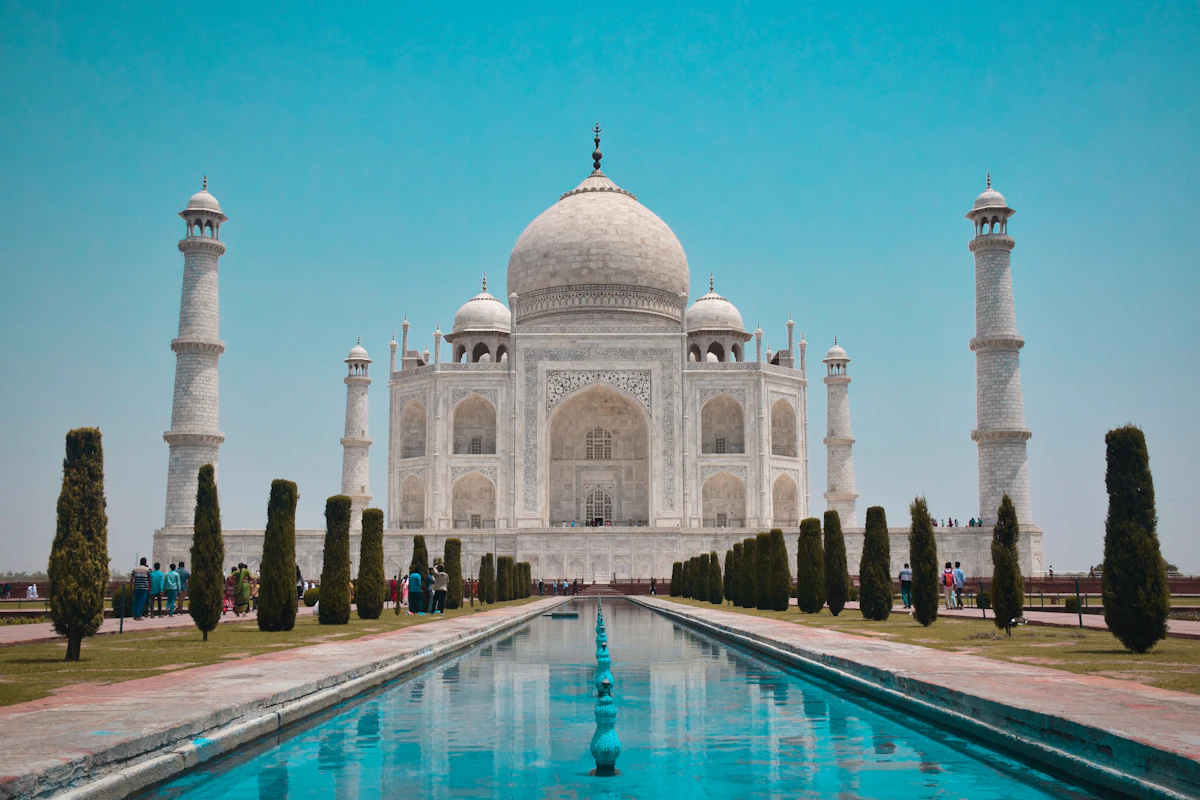
The Taj Mahal was commissioned by Mughal Emperor Shah Jahan in memory of Mumtaz Mahal. Located on the banks of the Yamuna River in Agra, it is celebrated for its white marble architecture, symmetry, calligraphy, gardens and decorative craftsmanship. It is one of India's most internationally recognised heritage properties.
5. Sun Temple, Konârak – Odisha (1984)
The Sun Temple at Konark is a monumental temple dedicated to the Sun God. Designed in the form of a colossal stone chariot, it is famous for its carved wheels, horses and elaborate sculptures. It reflects the artistic achievements of the Eastern Ganga period.
6. Group of Monuments at Mahabalipuram – Tamil Nadu (1984)
Mahabalipuram, also known as Mamallapuram, contains rock-cut caves, monolithic rathas, relief sculptures and structural temples associated with the Pallava dynasty. The Shore Temple and the famous relief known as Arjuna's Penance are among its best-known features.
7. Khajuraho Group of Monuments – Madhya Pradesh (1986)
The Khajuraho temples were built mainly under the Chandela dynasty. They are known for their intricate stone carvings, architectural design and sculptures depicting religious, social and cultural themes. The complex includes Hindu and Jain temples and is a major example of medieval Indian temple architecture.
8. Fatehpur Sikri – Uttar Pradesh (1986)
Fatehpur Sikri was established by Mughal Emperor Akbar as an imperial capital. Its palaces, mosques, gateways and public buildings demonstrate a distinctive combination of architectural influences. The Buland Darwaza and Jama Masjid are among its most famous structures.
9. Churches and Convents of Goa – Goa (1986)
This property includes important churches and religious buildings associated with the Portuguese presence in Goa. The Basilica of Bom Jesus, which houses the tomb of St. Francis Xavier, is particularly significant. The buildings demonstrate the spread and development of European religious architecture in Asia.
10. Group of Monuments at Hampi – Karnataka (1986)

Hampi was once the capital of the Vijayanagara Empire. Its temples, palaces, markets, fortifications, water structures and monumental sculptures reflect the prosperity of a major medieval South Indian kingdom. The Virupaksha Temple and Vittala Temple complex are among its most important attractions.
11. Elephanta Caves – Maharashtra (1987)
Located on Elephanta Island near Mumbai, these rock-cut caves are known for their Hindu sculptures, particularly the monumental Trimurti representation of Shiva. The caves demonstrate the artistic and religious traditions of early medieval India.
12. Group of Monuments at Pattadakal – Karnataka (1987)
Pattadakal was an important centre of Chalukya temple architecture. Its monuments display a remarkable combination of northern Nagara and southern Dravida architectural styles. The site includes several temples and a Jain sanctuary.
13. Great Living Chola Temples – Tamil Nadu (1987, extended 2004)
This property includes three major temples built during the Chola period: Brihadisvara Temple at Thanjavur, Brihadisvara Temple at Gangaikonda Cholapuram and Airavatesvara Temple at Darasuram. They demonstrate Chola engineering, sculpture, religious architecture and cultural patronage.
14. Buddhist Monuments at Sanchi – Madhya Pradesh (1989)
Sanchi is one of the most important Buddhist archaeological sites in India. Its stupas, monasteries, temples and gateways preserve evidence of Buddhist religious art and architecture over several centuries. The Great Stupa is particularly famous for its carved gateways.
15. Humayun's Tomb – Delhi (1993)
Humayun's Tomb is a major Mughal garden-tomb commissioned by the emperor's widow, Bega Begum. Its symmetrical layout, gardens, dome and architectural design influenced later Mughal monuments, including the Taj Mahal.
16. Qutb Minar and its Monuments – Delhi (1993)
The Qutb Minar complex contains the famous minaret, mosques, tombs and other historical structures. It reflects the development of early Indo-Islamic architecture in the Delhi region. The complex includes the Quwwat-ul-Islam Mosque and the Iron Pillar.
17. Mountain Railways of India – West Bengal, Tamil Nadu and Himachal Pradesh (1999, 2005, 2008)
This serial property includes the Darjeeling Himalayan Railway, the Nilgiri Mountain Railway and the Kalka-Shimla Railway. These historic railway lines demonstrate remarkable engineering achievements in difficult mountain terrain and continue to attract travellers.
18. Mahabodhi Temple Complex at Bodh Gaya – Bihar (2002)
The Mahabodhi Temple marks the place associated with Gautama Buddha's enlightenment. It is one of the most sacred Buddhist pilgrimage sites in the world. The complex includes the temple, the Bodhi Tree area and other important religious structures.
19. Rock Shelters of Bhimbetka – Madhya Pradesh (2003)
Bhimbetka contains prehistoric rock shelters with paintings that provide evidence of early human life, artistic expression and cultural development. The paintings depict animals, hunting, dancing and other aspects of human activity across different periods.
20. Champaner-Pavagadh Archaeological Park – Gujarat (2004)
This archaeological landscape includes forts, palaces, mosques, temples, stepwells and other structures around Champaner and Pavagadh. It preserves an important historic settlement and illustrates the interaction of different architectural and cultural traditions.
21. Chhatrapati Shivaji Terminus – Maharashtra (2004)
Formerly known as Victoria Terminus, this historic railway station in Mumbai is a major example of Victorian Gothic Revival architecture combined with Indian influences. It remains an important transport hub and an architectural landmark.
22. Red Fort Complex – Delhi (2007)
The Red Fort was constructed under Mughal Emperor Shah Jahan and served as an imperial residence. Its palaces, audience halls, gates and defensive walls reflect Mughal architecture and political history. The Prime Minister of India addresses the nation from the fort on Independence Day.
23. The Jantar Mantar, Jaipur – Rajasthan (2010)
The Jantar Mantar in Jaipur is an astronomical observation complex built by Maharaja Sawai Jai Singh II. It contains large masonry instruments designed to observe celestial movements and measure time. It demonstrates the scientific and mathematical knowledge of its period.
24. Hill Forts of Rajasthan – Rajasthan (2013)
This serial property includes six major forts: Chittorgarh, Kumbhalgarh, Ranthambore, Gagron, Amber and Jaisalmer. Together, they demonstrate Rajput military architecture, defensive planning and the relationship between forts and their surrounding landscapes.
25. Rani-ki-Vav – Gujarat (2014)
Rani-ki-Vav is a stepwell at Patan built during the Solanki period. It is famous for its elaborate underground architecture, sculptural panels and religious imagery. Stepwells were important water-management structures in regions with seasonal water availability.
26. Archaeological Site of Nalanda Mahavihara – Bihar (2016)
Nalanda was one of the most important ancient centres of higher learning in Asia. Its archaeological remains include monasteries, temples, stupas and educational structures. The site reflects the international intellectual and religious influence of ancient India.
27. The Architectural Work of Le Corbusier – Chandigarh (2016)
This transnational property recognises the architectural work of Le Corbusier across several countries. India's component is the Capitol Complex in Chandigarh, an important example of modernist architecture and urban planning.
28. Historic City of Ahmadabad – Gujarat (2017)
Ahmedabad, also known as Ahmadabad, is recognised for its historic urban fabric, traditional houses, neighbourhoods known as pols, religious buildings and distinctive city planning. It represents a living historic city with a rich architectural and cultural identity.
29. Victorian Gothic and Art Deco Ensembles of Mumbai – Maharashtra (2018)
This property includes groups of Victorian Gothic and Art Deco buildings in Mumbai. Together, they demonstrate the city's architectural transformation during the nineteenth and twentieth centuries and the adaptation of international styles to a local urban setting.
30. Jaipur City – Rajasthan (2019)
Founded in 1727 by Maharaja Sawai Jai Singh II, Jaipur is known for its planned urban layout, traditional markets, historic gates and distinctive architecture. The city is often called the Pink City because of the characteristic colour of many buildings in its historic centre.
31. Dholavira: a Harappan City – Gujarat (2021)
Dholavira is an important archaeological site of the Indus Valley Civilisation located in the Rann of Kutch. Its urban planning, reservoirs, fortifications, water-management systems and settlement design reveal the advanced engineering of the Harappan civilisation.
32. Kakatiya Rudreshwara (Ramappa) Temple – Telangana (2021)
The Ramappa Temple is a remarkable example of Kakatiya temple architecture. It is known for its sculptural details, engineering techniques and distinctive construction materials. It reflects the artistic achievements of the Kakatiya dynasty.
33. Sacred Ensembles of the Hoysalas – Karnataka (2023)
This property includes the Hoysala temples at Belur, Halebidu and Somanathapura. Their detailed stone carvings, star-shaped platforms and sculptural programmes demonstrate the distinctive temple-building tradition of the Hoysala dynasty.
34. Santiniketan – West Bengal (2023)

Santiniketan is associated with Rabindranath Tagore and his distinctive educational and cultural philosophy. It developed into an important centre of learning, artistic practice and international cultural exchange. Visva-Bharati University is central to its historical identity.
35. Moidams – the Mound-Burial System of the Ahom Dynasty – Assam (2024)
The Moidams are mound burial structures associated with the Ahom royal dynasty in Assam. They represent distinctive funerary traditions and provide evidence of the political, religious and cultural practices of the Ahom kingdom.
36. Maratha Military Landscapes of India – Maharashtra and Tamil Nadu (2025)
This property recognises a group of forts and military landscapes associated with the Maratha military system. It illustrates how fortifications were adapted to hills, coastlines and varied terrain. The property includes forts that demonstrate the strategic and architectural features of Maratha defence networks.
37. Ancient Buddhist Site of Sarnath – Uttar Pradesh (2026)

Sarnath is one of the most important Buddhist pilgrimage sites in the world. According to Buddhist tradition, Gautama Buddha delivered his first sermon here after attaining enlightenment at Bodh Gaya. The UNESCO property includes the Chaukhandi Stupa and the Archaeological Remains of Sarnath, including the Dhamek Stupa, Dharmarajika Stupa and other ancient remains.
Its inscription on 25 July 2026 made Sarnath India's 45th World Heritage property. It was recognised for its enduring spiritual significance and direct association with events in the life of the Buddha.
7. India's 7 Natural World Heritage Sites
India's natural World Heritage properties protect some of the country's most important ecosystems. These include tropical forests, wetlands, grasslands, mangrove habitats, mountain landscapes and areas of exceptional biodiversity.
1. Kaziranga National Park – Assam (1985)
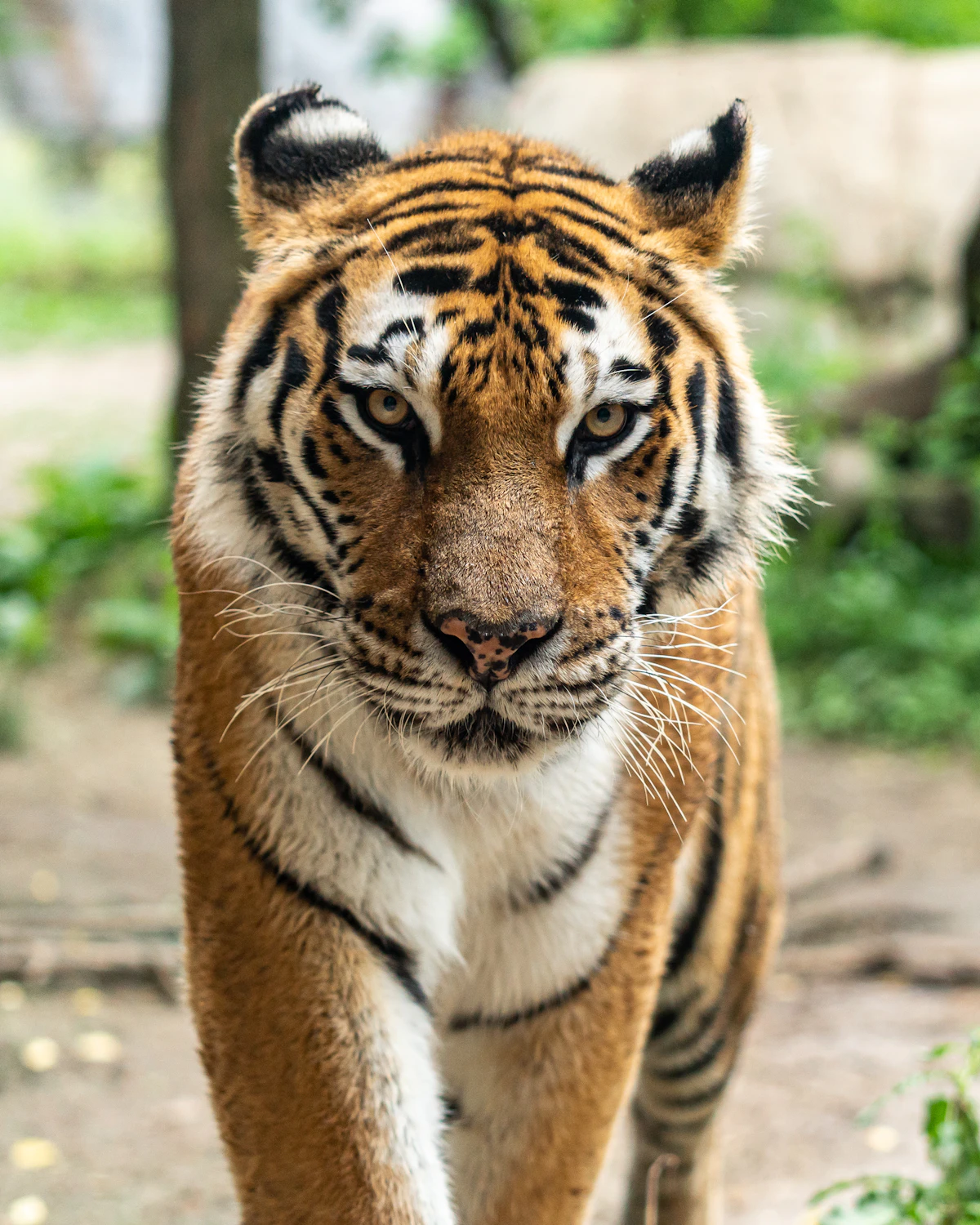
Kaziranga National Park is located in Assam and is internationally famous for protecting the greater one-horned rhinoceros. Its floodplains, grasslands, wetlands and forests support a wide variety of wildlife, including elephants, wild buffaloes, swamp deer and tigers.
The park's ecology is strongly influenced by the Brahmaputra River and its seasonal floods. Its conservation importance extends beyond a single species because the landscape supports a complex ecosystem.
2. Keoladeo National Park – Rajasthan (1985)

Keoladeo National Park, formerly known as Bharatpur Bird Sanctuary, is an important wetland in Rajasthan. It supports resident and migratory bird species and is particularly significant for waterbirds. The park demonstrates the ecological value of wetlands in a largely dry region.
3. Manas Wildlife Sanctuary – Assam (1985)
Manas Wildlife Sanctuary is located in Assam near the international border with Bhutan. It contains forests, grasslands and riverine habitats that support endangered species such as the tiger, elephant, pygmy hog and golden langur. The sanctuary is important for biodiversity conservation and the protection of threatened wildlife.
4. Sundarbans National Park – West Bengal (1987)
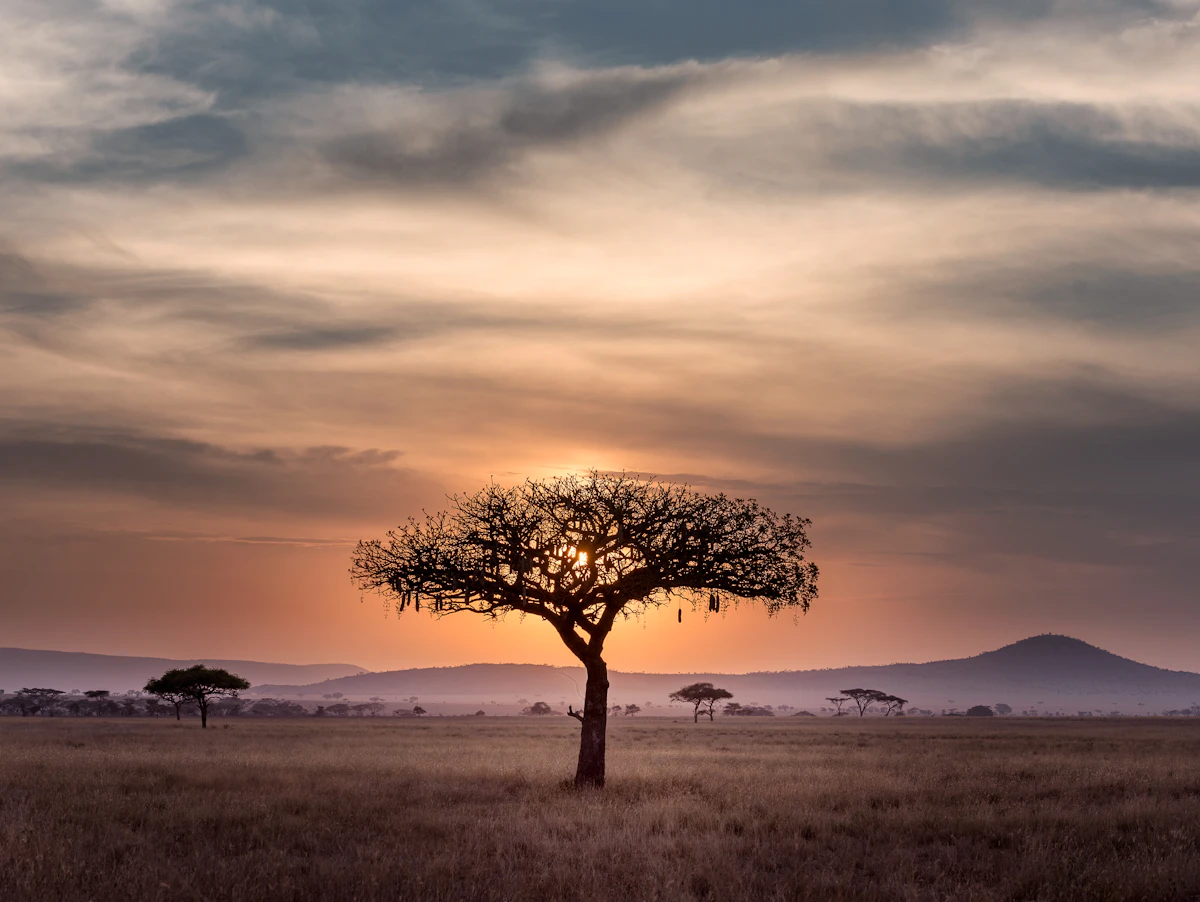
The Sundarbans is a vast mangrove landscape in the Ganga-Brahmaputra delta. It is known for its tidal waterways, mangrove forests and rich biodiversity. The region is particularly associated with the Bengal tiger and supports many aquatic and terrestrial species.
The Indian Sundarbans are part of a wider ecological landscape shared with Bangladesh. The mangrove ecosystem also plays an important role in coastal protection and supports the livelihoods of local communities.
5. Nanda Devi and Valley of Flowers National Parks – Uttarakhand (1988, extended 2005)

This World Heritage property includes two important Himalayan protected areas. Nanda Devi National Park is known for its dramatic mountain landscape and high-altitude ecosystems. The Valley of Flowers is famous for its alpine meadows and seasonal flowering plants.
The property supports a range of Himalayan flora and fauna and is important for the conservation of fragile mountain ecosystems.
6. Western Ghats – Maharashtra, Karnataka, Kerala and Tamil Nadu (2012)

The Western Ghats are a mountain chain running parallel to India's western coast. They are recognised as one of the world's important biodiversity hotspots and contain a high level of endemic plant and animal species. The property consists of a series of protected areas across several states.
The region influences India's monsoon climate and supports forests, rivers, wildlife and important ecological processes.
7. Great Himalayan National Park Conservation Area – Himachal Pradesh (2014)
The Great Himalayan National Park Conservation Area protects high-altitude ecosystems in Himachal Pradesh. Its forests, alpine meadows, mountains and river systems support diverse wildlife and plant species. The area is important for Himalayan biodiversity and ecological conservation.
8. India's One Mixed World Heritage Site
Khangchendzonga National Park – Sikkim (2016)

Khangchendzonga National Park is India's only mixed World Heritage property. Located in Sikkim, it includes high mountain landscapes, glaciers, lakes, forests and rich biodiversity. The park is named after Mount Khangchendzonga, one of the world's highest peaks.
The property is also deeply connected with the spiritual beliefs and cultural traditions of communities in the region. Mountains, lakes, caves and other natural features hold sacred importance in local traditions.
Its mixed status reflects both its exceptional natural environment and its cultural and spiritual significance. This makes it different from a property recognised solely for architecture or biodiversity.
9. Newest UNESCO World Heritage Site in India: Sarnath (2026)

The Ancient Buddhist Site of Sarnath in Uttar Pradesh is the newest addition to India's World Heritage List. UNESCO announced its inscription on 25 July 2026 during the 48th session of the World Heritage Committee in Busan, Republic of Korea.
Sarnath is closely associated with one of the most important events in Buddhist history: the first sermon of Gautama Buddha. After attaining enlightenment at Bodh Gaya, Buddha travelled to Sarnath, where he taught the principles of his path to his first disciples.
What does the Sarnath World Heritage property include?
The UNESCO property includes two connected components:
- Chaukhandi Stupa: A monument associated with the traditional account of Buddha's arrival at Sarnath and meeting with his first disciples.
- Archaeological Remains of Sarnath: This includes the Dhamek Stupa, Dharmarajika Stupa, Mulagandhakuti Vihara, the Ashokan Pillar remains and other archaeological structures.
Why is Sarnath important?
Sarnath developed into a major centre of Buddhist learning and pilgrimage. Over many centuries, rulers, religious communities and patrons constructed stupas, monasteries and temples at the site. Its archaeological remains represent a long period of religious and architectural development.
The UNESCO inscription recognises the site's enduring spiritual importance and its direct association with events in the life of the Buddha. It is also one of the four principal Buddhist pilgrimage destinations connected with his life.
Why is the 2026 inscription significant for India?
Before Sarnath's inscription, India had 44 World Heritage properties. Its addition increased the total to 45. It also strengthened the international recognition of India's Buddhist heritage, which includes Bodh Gaya, Sanchi, Nalanda and other important sites.
Official announcement: UNESCO – Ancient Buddhist Site of Sarnath inscribed on the World Heritage List.
10. India's First UNESCO World Heritage Sites
India's first World Heritage inscriptions took place in 1983. Four properties were included in the same year: Agra Fort, Ajanta Caves, Ellora Caves and the Taj Mahal.
| Site | State | Year of Inscription |
|---|---|---|
| Agra Fort | Uttar Pradesh | 1983 |
| Ajanta Caves | Maharashtra | 1983 |
| Ellora Caves | Maharashtra | 1983 |
| Taj Mahal | Uttar Pradesh | 1983 |
These four properties established the beginning of India's participation in the global World Heritage programme. They also represent the variety of Indian heritage: Mughal fort architecture, Buddhist cave art, multi-religious rock-cut architecture and the monumental design of the Taj Mahal.
11. State-Wise Distribution of UNESCO World Heritage Sites in India
India's World Heritage properties are spread across different states and Union Territories. Some properties are located in one state, while others are serial or transnational properties with components in more than one place.
| State / Union Territory | Examples of World Heritage Properties |
|---|---|
| Uttar Pradesh | Taj Mahal, Agra Fort, Fatehpur Sikri, Ancient Buddhist Site of Sarnath |
| Maharashtra | Ajanta Caves, Ellora Caves, Elephanta Caves, Chhatrapati Shivaji Terminus, Victorian Gothic and Art Deco Ensembles of Mumbai |
| Rajasthan | Keoladeo National Park, Hill Forts of Rajasthan, Jantar Mantar, Jaipur City |
| Madhya Pradesh | Khajuraho Group of Monuments, Sanchi, Bhimbetka |
| Karnataka | Hampi, Pattadakal, Sacred Ensembles of the Hoysalas |
| Tamil Nadu | Mahabalipuram, Great Living Chola Temples, Maratha Military Landscapes components, Nilgiri Mountain Railway |
| Assam | Kaziranga National Park, Manas Wildlife Sanctuary, Moidams |
| West Bengal | Sundarbans National Park, Santiniketan, Darjeeling Himalayan Railway component |
| Gujarat | Champaner-Pavagadh, Rani-ki-Vav, Historic City of Ahmadabad, Dholavira |
| Bihar | Mahabodhi Temple Complex, Nalanda Mahavihara |
| Odisha | Sun Temple, Konârak |
| Goa | Churches and Convents of Goa |
| Uttarakhand | Nanda Devi and Valley of Flowers National Parks |
| Himachal Pradesh | Great Himalayan National Park, Kalka-Shimla Railway component |
| Sikkim | Khangchendzonga National Park |
| Telangana | Kakatiya Rudreshwara (Ramappa) Temple |
| Delhi | Humayun's Tomb, Qutb Minar and its Monuments, Red Fort Complex |
| Chandigarh | Capitol Complex, Indian component of the Le Corbusier property |
This is a location guide, not a count of independent properties in each state. Serial and transnational properties can have components in multiple locations, so adding the state-wise examples will not produce the national total.
12. What Is the UNESCO Tentative List of India?
Before a country nominates a property for inscription on the World Heritage List, it must generally include that property in its Tentative List. The Tentative List is an inventory of places that the country intends to consider for future nomination.
Being included in the Tentative List does not mean that a property has already become a UNESCO World Heritage Site. It is an important preparatory step in the nomination process.
UNESCO's current India country page lists 81 properties on India's Tentative List. These include cultural, natural and mixed heritage proposals from different parts of the country.
Examples of Indian properties on the Tentative List
| Proposed property | State / Region | Year shown on Tentative List |
|---|---|---|
| Temples at Bishnupur | West Bengal | 1998 |
| River Island of Majuli | Assam | 2004 |
| Namdapha National Park | Arunachal Pradesh | 2006 |
| Neora Valley National Park | West Bengal | 2009 |
| Cellular Jail | Andaman Islands | 2014 |
| Bahá'í House of Worship | New Delhi | 2014 |
| Temples of Kanchipuram | Tamil Nadu | 2021 |
| Jingkieng Jri: Living Root Bridge Cultural Landscapes | Meghalaya | 2022 |
| Sun Temple, Modhera | Gujarat | 2022 |
| Gwalior Fort | Madhya Pradesh | 2024 |
| Kanger Valley National Park | Chhattisgarh | 2025 |
| Salkhan Fossil Park | Uttar Pradesh | 2025 |
| Painted Haveli Towns of Shekhawati | Rajasthan | 2026 |
| Colonial Penal Settlement of Andaman Islands | Andaman and Nicobar Islands | 2026 |
Other entries include Garo Hills Conservation Area, the historic ensemble of Orchha, the iconic riverfront of Varanasi, Bhedaghat-Lametaghat, the Deccan Traps, the Meghalayan Age Caves and several important temple and archaeological landscapes.
Why is the Tentative List important?
- It identifies properties that a country may nominate in the future.
- It helps national authorities plan research and conservation work.
- It allows potential nominations to be assessed against UNESCO criteria.
- It provides an overview of the country's heritage priorities.
- It is a required part of the normal nomination pathway for new properties.
Official list: UNESCO – India: World Heritage properties and Tentative List.
13. How Does a Site Get UNESCO World Heritage Recognition?
Getting a place included on the World Heritage List is a detailed process. A country cannot simply request a listing because a monument is famous or attracts many tourists. It must demonstrate that the property has Outstanding Universal Value and meets the relevant requirements.
Step 1: Inclusion in the Tentative List
The country identifies properties that it may consider for nomination and includes them in its Tentative List. This provides the starting point for the nomination process.
Step 2: Preparation of the nomination dossier
The country prepares a detailed nomination dossier. It generally explains the property's history, cultural or natural importance, boundaries, conservation condition, management arrangements and the reasons it meets UNESCO's criteria.
Step 3: Evaluation by advisory bodies
Depending on the type of property, UNESCO's advisory bodies evaluate the nomination. ICOMOS generally evaluates cultural nominations, while IUCN evaluates natural nominations. The International Centre for the Study of the Preservation and Restoration of Cultural Property (ICCROM) also contributes to conservation expertise and capacity-building.
Step 4: World Heritage Committee decision
The World Heritage Committee examines the nomination and takes a decision. It may inscribe the property, defer the decision, refer the nomination for further information or decide not to inscribe it.
Step 5: Protection and monitoring
After inscription, the country remains responsible for protecting the property's Outstanding Universal Value. Conservation, management, monitoring and reporting continue after the site is added to the list.
UNESCO's ten selection criteria
A property must meet at least one of the ten selection criteria. The criteria cover cultural achievements, artistic and architectural traditions, human interaction with the environment, important historical associations, natural beauty, geological processes and biodiversity.
| Criteria | Broad subject |
|---|---|
| Criterion (i) | Represents a masterpiece of human creative genius. |
| Criterion (ii) | Shows an important interchange of human values over time or within a cultural area. |
| Criterion (iii) | Bears exceptional testimony to a cultural tradition or civilisation. |
| Criterion (iv) | Represents an outstanding example of a type of building, architectural or technological ensemble, or landscape. |
| Criterion (v) | Represents a traditional human settlement, land-use or sea-use pattern, especially when vulnerable to change. |
| Criterion (vi) | Is directly or tangibly associated with events, living traditions, ideas, beliefs or artistic and literary works of outstanding significance. |
| Criterion (vii) | Contains superlative natural phenomena or areas of exceptional natural beauty and aesthetic importance. |
| Criterion (viii) | Represents outstanding examples of major stages of Earth's history and geological processes. |
| Criterion (ix) | Represents outstanding ecological and biological processes in the evolution and development of ecosystems. |
| Criterion (x) | Contains important natural habitats for biodiversity conservation, including threatened species. |
For official details, see UNESCO's selection criteria.
14. Why Are UNESCO World Heritage Sites Important?
World Heritage recognition is important for more than tourism. It creates an international framework for protecting places that hold exceptional value and encourages cooperation between governments, experts, communities and conservation organisations.
1. Protection of historical monuments
Many monuments and archaeological sites are vulnerable to weathering, pollution, construction activity, neglect and human interference. World Heritage recognition can strengthen conservation planning and increase public awareness about the need to protect them.
2. Preservation of cultural identity
Historic cities, temples, forts and archaeological sites preserve the memory of communities and civilisations. Their protection helps future generations understand the history, traditions and achievements of earlier societies.
3. Biodiversity conservation
Natural World Heritage properties protect important ecosystems and habitats. Sites such as Kaziranga, Manas, the Sundarbans and the Western Ghats are important for the survival of wildlife and the conservation of biodiversity.
4. Tourism and local employment
World Heritage recognition can increase international and domestic tourism. This may support local guides, transport providers, hotels, restaurants, craftspeople and small businesses. However, tourism must be managed carefully to avoid damaging the very heritage that attracts visitors.
5. Education and research
World Heritage sites provide opportunities for research in archaeology, history, architecture, ecology, geology, anthropology and conservation science. Students and researchers can learn from real examples of cultural and natural heritage.
6. International cooperation
Heritage conservation often requires specialised knowledge, funding, technical support and collaboration. The World Heritage framework encourages international cooperation and the sharing of conservation experience.
15. Conservation Challenges Facing India's World Heritage Sites
Inscription on the World Heritage List does not automatically protect a site from every threat. Heritage properties require continuous conservation, scientific monitoring, responsible tourism and cooperation among different authorities.
Urban development and construction
Historic cities and monuments may face pressure from roads, buildings, commercial development and infrastructure projects. Poorly planned construction can affect the historic character, visual setting or physical integrity of a property.
Pollution and environmental damage
Air pollution, water pollution, waste disposal and industrial activity can damage monuments and natural ecosystems. Heritage areas require effective pollution control and careful management of surrounding land and water.
Climate change and natural disasters
Floods, droughts, heat, storms, erosion and changing weather patterns can affect both cultural and natural properties. Coastal and riverine landscapes, mountain ecosystems and old buildings may be particularly vulnerable to environmental changes.
Excessive tourism
Large visitor numbers can put pressure on monuments, pathways, local infrastructure and fragile habitats. Responsible visitor management is important to ensure that tourism does not undermine conservation.
Wildlife and habitat protection
Natural World Heritage sites may face challenges such as habitat fragmentation, human-wildlife conflict, invasive species, poaching and changes in river systems. Conservation requires landscape-level planning rather than focusing only on the boundaries of a protected area.
What can visitors do?
- Do not write, scratch or paint on monuments.
- Do not remove stones, sculptures, plants or other natural and historical objects.
- Follow photography and restricted-area rules.
- Avoid littering and use designated waste facilities.
- Respect local communities, religious practices and cultural traditions.
- Follow wildlife safety instructions and maintain a safe distance from animals.
- Choose responsible local tourism services where possible.
Visiting a World Heritage Site is not just about taking photographs. It is also an opportunity to understand why the place matters and how individual visitors can help protect it.
16. Famous UNESCO World Heritage Sites to Visit in India
India's World Heritage properties offer a wide range of travel experiences. Some are ideal for architecture and history enthusiasts, while others are especially attractive to nature lovers, wildlife photographers and mountain travellers.
| Site | State | What makes it special | Suitable for |
|---|---|---|---|
| Taj Mahal | Uttar Pradesh | Mughal architecture, marble work and gardens | History and architecture |
| Ajanta Caves | Maharashtra | Buddhist paintings and rock-cut architecture | Art and history |
| Hampi | Karnataka | Vijayanagara ruins, temples and boulder landscapes | History and photography |
| Khajuraho | Madhya Pradesh | Temple architecture and sculpture | Architecture and culture |
| Sundarbans | West Bengal | Mangroves, river channels and wildlife | Nature and wildlife |
| Kaziranga | Assam | One-horned rhinoceros and grassland habitats | Wildlife tourism |
| Sarnath | Uttar Pradesh | Buddhist history and archaeological remains | Spiritual and heritage travel |
| Valley of Flowers | Uttarakhand | Alpine meadows and mountain flora | Nature and trekking |
| Jaipur City | Rajasthan | Historic planning, markets and architecture | Culture and city exploration |
| Mahabalipuram | Tamil Nadu | Shore Temple, rock-cut monuments and sculptures | Coastal heritage |
Travel tips for visiting heritage sites
- Check the official opening hours and ticket rules before travelling.
- Some archaeological properties have separate entry arrangements for different monuments.
- Wear comfortable footwear, particularly at large archaeological complexes.
- Respect photography restrictions and religious customs.
- For wildlife parks, check seasonal access, safari rules and authorised booking arrangements.
- For mountain destinations, check weather conditions and local access advisories.
For official monument information and visitor arrangements, consult the Archaeological Survey of India, relevant state tourism departments and the official protected-area authorities.
17. Important Facts About UNESCO World Heritage Sites in India
The following facts are useful for school and college assignments, UPSC, SSC, Railway, State PSC, WBCS and other competitive examinations.
| Question | Answer |
|---|---|
| How many UNESCO World Heritage properties does India have in 2026? | 45 |
| How many cultural properties are in India? | 37 |
| How many natural properties are in India? | 7 |
| How many mixed properties are in India? | 1 |
| Which is India's newest World Heritage property? | Ancient Buddhist Site of Sarnath |
| In which year was Sarnath inscribed? | 2026 |
| Which were India's first four World Heritage properties? | Agra Fort, Ajanta Caves, Ellora Caves and Taj Mahal |
| In which year were India's first properties inscribed? | 1983 |
| Which is India's only mixed World Heritage property? | Khangchendzonga National Park |
| Which Indian property is famous for the one-horned rhinoceros? | Kaziranga National Park |
| Which Indian property is associated with the Buddha's first sermon? | Ancient Buddhist Site of Sarnath |
| Which property is associated with the Indus Valley Civilisation? | Dholavira: a Harappan City |
| Which property is associated with Rabindranath Tagore? | Santiniketan |
| Which property is famous for the Chola temples? | Great Living Chola Temples |
| Which property is famous for its historic astronomical instruments? | The Jantar Mantar, Jaipur |
| When did India ratify the World Heritage Convention? | 14 November 1977 |
| In which year was the World Heritage Convention adopted? | 1972 |
| How many selection criteria does UNESCO use? | 10 |
Quick revision: Remember these inscription years
| Year | Important Indian inscriptions |
|---|---|
| 1983 | Agra Fort, Ajanta Caves, Ellora Caves, Taj Mahal |
| 1984 | Sun Temple, Konârak; Mahabalipuram |
| 1985 | Kaziranga, Keoladeo and Manas |
| 1986 | Khajuraho, Fatehpur Sikri, Churches and Convents of Goa, Hampi |
| 1987 | Elephanta Caves, Pattadakal, Great Living Chola Temples, Sundarbans |
| 1988 | Nanda Devi and Valley of Flowers property initially inscribed as Nanda Devi National Park |
| 1989 | Buddhist Monuments at Sanchi |
| 1993 | Humayun's Tomb; Qutb Minar and its Monuments |
| 1999 | Mountain Railways of India |
| 2002 | Mahabodhi Temple Complex at Bodh Gaya |
| 2003 | Rock Shelters of Bhimbetka |
| 2004 | Champaner-Pavagadh; Chhatrapati Shivaji Terminus |
| 2007 | Red Fort Complex |
| 2010 | Jantar Mantar, Jaipur |
| 2012 | Western Ghats |
| 2013 | Hill Forts of Rajasthan |
| 2014 | Rani-ki-Vav; Great Himalayan National Park |
| 2016 | Khangchendzonga; Nalanda; Le Corbusier property |
| 2017 | Historic City of Ahmadabad |
| 2018 | Victorian Gothic and Art Deco Ensembles of Mumbai |
| 2019 | Jaipur City |
| 2021 | Dholavira; Ramappa Temple |
| 2023 | Sacred Ensembles of the Hoysalas; Santiniketan |
| 2024 | Moidams |
| 2025 | Maratha Military Landscapes of India |
| 2026 | Ancient Buddhist Site of Sarnath |
18. Related Articles on Barristery
Want to explore more topics related to Indian history, heritage, culture and general knowledge? Visit Barristery and use the internal search pages below to discover relevant articles.
Visit Barristery.in for more educational articles, Indian laws, history, geography, current affairs and exam-related resources.
The links above use Barristery's internal search pages to help readers find related content. They do not imply that a specific UNESCO article is already published on the website.
19. Frequently Asked Questions (FAQs)
1. How many UNESCO World Heritage Sites are there in India in 2026?
India has 45 UNESCO World Heritage properties as of October 2026. These include 37 cultural properties, 7 natural properties and 1 mixed property.
2. Which is the latest UNESCO World Heritage Site in India?
The Ancient Buddhist Site of Sarnath in Uttar Pradesh is India's newest World Heritage property. It was inscribed on 25 July 2026 during the 48th session of the World Heritage Committee.
3. Which were the first UNESCO World Heritage Sites in India?
Agra Fort, Ajanta Caves, Ellora Caves and the Taj Mahal were India's first four World Heritage properties. All four were inscribed in 1983.
4. Which is India's only mixed UNESCO World Heritage Site?
Khangchendzonga National Park in Sikkim is India's only mixed World Heritage property. It is recognised for both natural and cultural significance.
5. How many cultural World Heritage Sites does India have?
India has 37 cultural World Heritage properties as of October 2026.
6. How many natural World Heritage Sites does India have?
India has seven natural World Heritage properties: Kaziranga, Keoladeo, Manas, Sundarbans, Nanda Devi and Valley of Flowers, Western Ghats and Great Himalayan National Park.
7. Which Indian UNESCO site is famous for the one-horned rhinoceros?
Kaziranga National Park in Assam is internationally famous for its greater one-horned rhinoceros population.
8. Which UNESCO World Heritage Site is located in West Bengal?
West Bengal has two properties located within the state: Sundarbans National Park and Santiniketan. The Darjeeling Himalayan Railway is also a component of the Mountain Railways of India property.
9. Is Sundarbans a cultural or natural World Heritage Site?
Sundarbans National Park in West Bengal is a natural World Heritage property. It is recognised for its mangrove ecosystem and biodiversity.
10. Is Santiniketan a UNESCO World Heritage Site?
Yes. Santiniketan in West Bengal was inscribed on the World Heritage List in 2023. It is associated with Rabindranath Tagore and his educational and cultural vision.
11. What is the UNESCO Tentative List?
The Tentative List is an inventory of properties that a country intends to consider for future nomination to the World Heritage List. Inclusion in the Tentative List does not mean that the property has already been inscribed.
12. How many UNESCO selection criteria are there?
UNESCO has ten selection criteria. A property must meet at least one criterion to be considered for inscription, along with the applicable requirements concerning authenticity, integrity and protection or management.
13. When did India join the World Heritage Convention?
India ratified the World Heritage Convention on 14 November 1977.
14. Which Indian World Heritage Site is associated with the Indus Valley Civilisation?
Dholavira: a Harappan City in Gujarat is an important archaeological site associated with the Indus Valley Civilisation. It was inscribed in 2021.
15. Which Indian World Heritage Site is associated with the Buddha's first sermon?
The Ancient Buddhist Site of Sarnath in Uttar Pradesh is associated with the Buddha's first sermon. It was inscribed in 2026.
16. Which UNESCO World Heritage Site is famous for the Chola dynasty?
The Great Living Chola Temples in Tamil Nadu represent the architectural and artistic achievements of the Chola dynasty. The property was first inscribed in 1987 and extended in 2004.
17. Which Indian World Heritage property includes mountain railways?
The Mountain Railways of India is a cultural World Heritage property. It includes the Darjeeling Himalayan Railway, Nilgiri Mountain Railway and Kalka-Shimla Railway.
18. Does UNESCO own or manage Indian World Heritage Sites?
No. The sites remain under India's jurisdiction. National and state authorities, along with relevant local institutions, are responsible for their protection and management. UNESCO provides the international World Heritage framework and monitoring mechanisms.
Conclusion: India's Heritage Is a Shared Legacy
India's 45 UNESCO World Heritage properties represent an extraordinary range of human achievement and natural diversity. From the Taj Mahal, Ajanta and Ellora to Hampi, Nalanda, Santiniketan and Sarnath, the cultural properties preserve the stories of different civilisations, religions, rulers, artists and communities.
The seven natural properties protect important ecosystems, wildlife habitats and mountain landscapes. Khangchendzonga National Park, India's only mixed property, demonstrates how natural and cultural values can be deeply connected.
The addition of Sarnath in 2026 is another important milestone. It brings India's total to 45 properties and gives international recognition to a place closely associated with the beginning of the Buddha's teaching journey.
However, inscription on the World Heritage List is not the end of the conservation process. These places require careful protection, responsible tourism, scientific research and cooperation between governments and local communities. Their value lies not only in attracting visitors today but also in preserving knowledge, identity and biodiversity for future generations.
20. Official Sources and Further Reading
For accurate and updated information, readers should consult UNESCO and Government of India sources. The official UNESCO country page is particularly useful for checking the current total, category-wise list, inscription years and Tentative List.
- UNESCO World Heritage Convention – India: Official India country page.
- UNESCO World Heritage List: Search all inscribed World Heritage properties.
- UNESCO selection criteria: Official ten selection criteria.
- UNESCO Tentative List – India: India's Tentative List and country information.
- UNESCO Sarnath announcement: Sarnath inscribed on the World Heritage List, 25 July 2026.
- Press Information Bureau: Government of India backgrounder on Sarnath and India's 45 properties.
- Archaeological Survey of India: Official ASI website.
- Ministry of Culture: Government of India Ministry of Culture.


COMMENTS